METRONET Trialing clean energy solution using a HYDI unit
METRONET Trialing clean energy solution using a HYDI unit
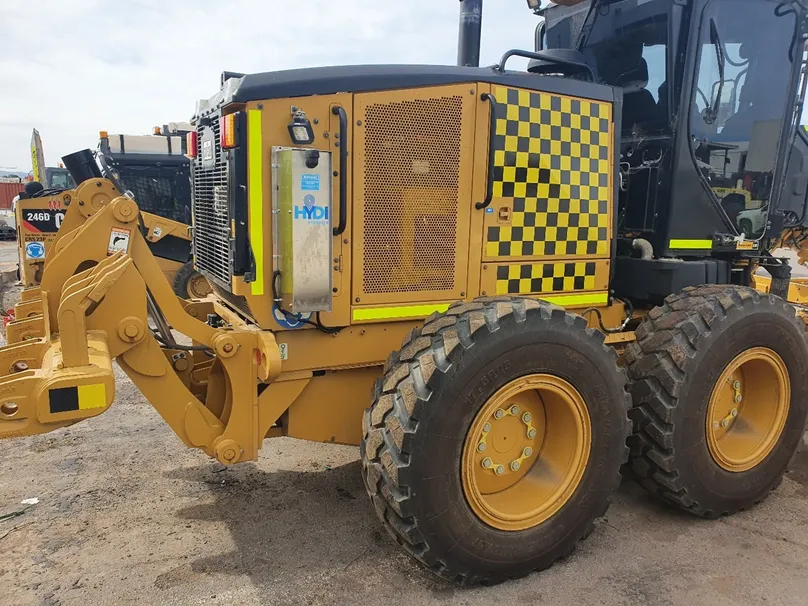
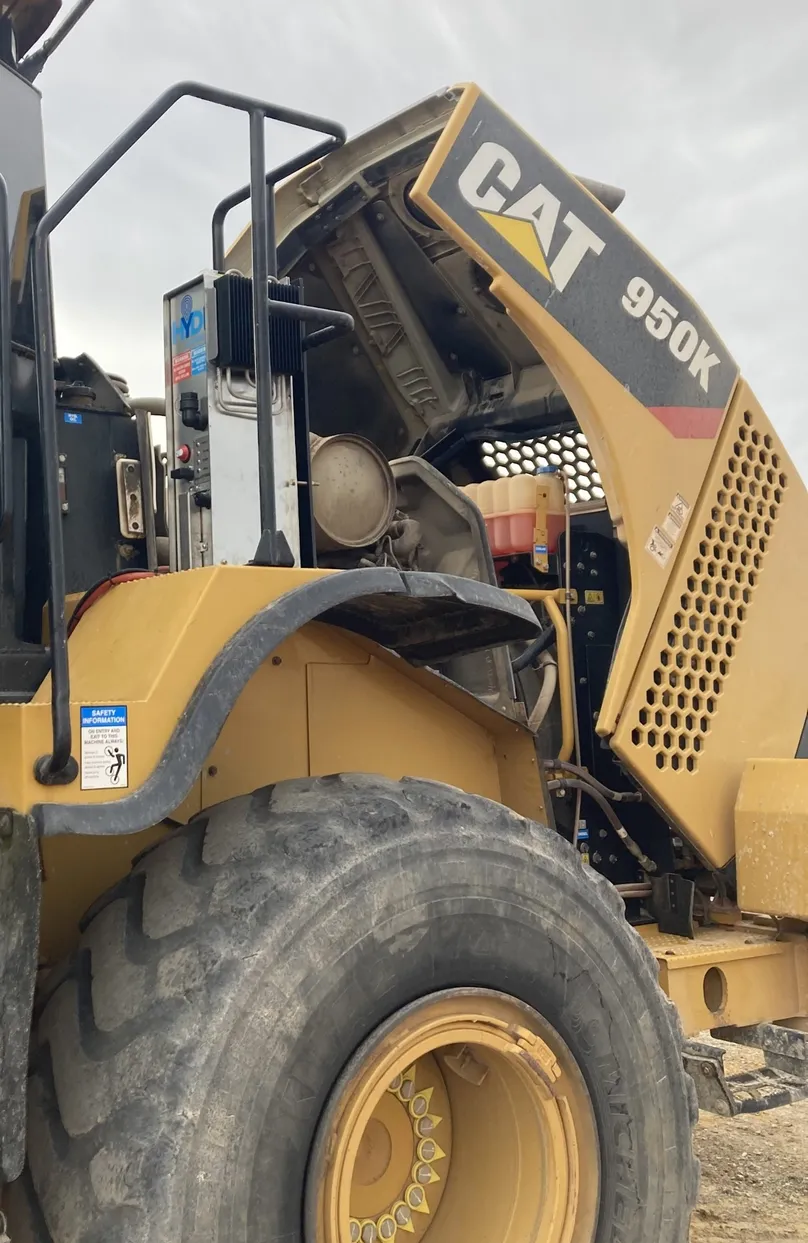
The construction industry is actively seeking ways to reduce its reliance on fossil fuels in support of global net-zero emissions targets. A significant focus is on decreasing the use of traditional diesel. As part of this effort, the METRONET Byford Rail Extension Project is trialling a clean energy solution using a HYDI unit—developed by South Australian company HYDI—that can be retrofitted to existing diesel equipment. This compact, self-contained unit uses proton exchange membrane cells to generate hydrogen from distilled water, without the need for additional chemicals. Hydrogen offers a sustainability advantage, delivering approximately three times the energy value of diesel while producing fewer pollutants.
Challenges and outcomes
To evaluate the HYDI unit’s effectiveness, it was installed on a CAT 962 loader. Prior to installation, the loader consumed 8.18 litres of diesel per hour. Post-installation, fuel consumption dropped to 6.56 litres per hour—an improvement of 19% in fuel efficiency. Over a 130-hour trial period, this translated to a savings of approximately 210.6 litres of diesel, with only 3.5 litres of distilled water used.
The trial demonstrated several key benefits:
• Fuel efficiency gains of 10–20%, contributing to reduced greenhouse gas emissions.
• Health and safety improvements by lowering exposure to diesel fumes, which can cause asthma, headaches, and lung irritation.
• Support for government carbon reduction goals and encouragement of innovation in hard-to-electrify sectors.
This initiative aligns with the METRONET Sustainability Strategy, which aims to implement practical solutions to reduce the carbon footprint of its projects.
Next steps
The HYDI unit will be trialled on additional equipment to validate its performance across a broader range of machinery. The project team is targeting a minimum 10% improvement in fuel efficiency across various applications. Monthly data tracking will continue, and findings will be shared with the wider industry to promote adoption of this clean energy technology.